Restorative & Aesthetic Treatment
Zirconium Crowns in Turkey
Zirconia crowns in Turkey cost from £185 per tooth and E.max crowns from £285 per tooth, compared with roughly £700–£1,500 per crown in the UK. At Taki Dent in Antalya, crown treatment carries a 5 years written guarantee. Prices are indicative starting prices; a final plan and cost are confirmed only after an in-person examination.
Zirconium crowns, also known as zirconia crowns, are full-coverage ceramic restorations used when a tooth requires greater structural protection or restoration than a veneer may provide.
This UK patient guide explains when crowns may be considered, how tooth preparation differs from veneer treatment, the properties of zirconia, indicative cost factors, clinical risks and long-term aftercare.
You may also request a preliminary clinical assessment from our disclosed clinical partner, Taki Dent in Antalya.
No obligation · Add dental photos or recent X-rays if available
✓ Medically reviewed for clinical accuracy by Dr Firas Balaa, GDC 307557 · Updated July 2026
An online review is preliminary. A final diagnosis, treatment plan and cost can only be confirmed after an in-person clinical examination.
Overview
What Are Zirconium Crowns?
A dental crown is a full-coverage restoration placed over a prepared tooth. Unlike a veneer, which mainly covers the visible front surface, a crown covers the tooth more extensively and may provide additional structural protection.
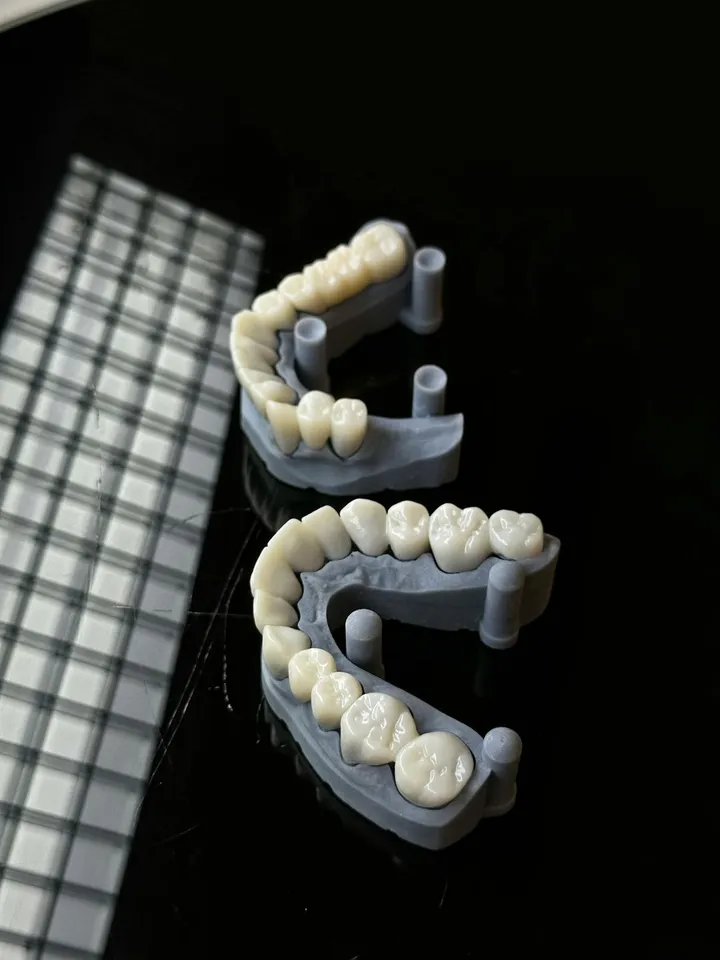
Zirconium crowns are manufactured from zirconium dioxide, commonly referred to as zirconia. Zirconia is a metal-free dental ceramic used for both anterior and posterior restorations. Different zirconia formulations offer different balances of strength, translucency and aesthetic characterisation.
The appropriate material depends on the position of the tooth, the patient’s bite, the amount of remaining tooth structure, aesthetic requirements and the design of the restoration. A highly translucent zirconia may be considered for visible front teeth, while a higher-strength formulation may be selected where greater chewing forces are expected.
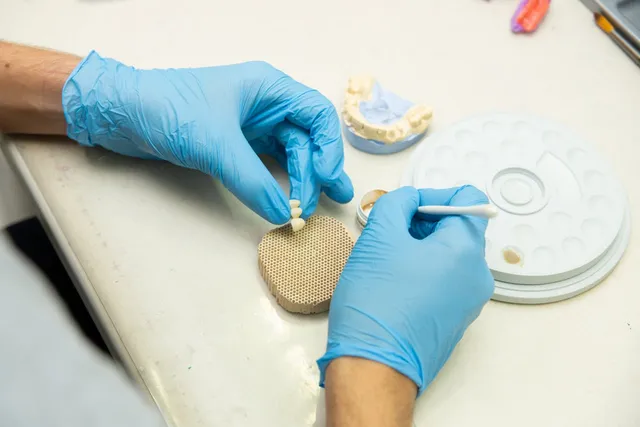
Preparing a tooth for a crown involves removing tooth structure to create space for the restoration. The amount varies according to the tooth, the existing damage or restorations and the selected crown design. Crown preparation is irreversible. Temporary crowns may be used while the permanent restorations are manufactured and assessed. Taki Dent’s clinical team can explain the proposed zirconia system, laboratory process and preparation requirements as part of the individual treatment proposal.
Properties of Zirconium
Strength
Zirconia is a high-strength dental ceramic. Its clinical performance depends on the zirconia formulation, crown thickness, restoration design, tooth position and the patient’s bite.
Aesthetics
Modern zirconia materials can provide tooth-coloured restorations with varying degrees of translucency. The selected shade, surface texture and characterisation affect how natural the final crown appears.
Metal-Free Construction
Zirconia crowns do not contain a metal substructure. This avoids the dark metal margin that may become visible with some porcelain-fused-to-metal restorations.
Tissue Response
Zirconia is generally well tolerated by oral tissues. Long-term gum health still depends on crown fit, margin position, hygiene and regular maintenance.
Longevity
Zirconia crowns can provide long-term service when appropriately planned, fitted and maintained. Bruxism, bite forces, hygiene, gum health and remaining tooth structure can all affect longevity.
Treatment Choice
Veneers vs Crowns: Understanding the Difference
Choosing between a veneer and a crown is a clinical decision rather than simply a matter of appearance or price. The two restorations cover different amounts of the tooth and are used for different purposes.
A veneer mainly covers the visible front surface and may be considered when the tooth is structurally sound and the intended change is primarily aesthetic.
A crown covers the prepared tooth more extensively and may be considered when greater restoration or structural protection is required.
| Veneer | Crown |
|---|---|
| Mainly covers the front surface | Covers the prepared tooth more extensively |
| Generally more conservative | Generally requires more tooth reduction |
| Primarily used for aesthetic changes | Used for restorative and aesthetic indications |
| Requires suitable enamel and tooth structure | May be considered for more heavily restored or damaged teeth |
| Not appropriate for every tooth | Should not be used solely because a patient prefers a crown |
Clinical Indications
A Crown May Be Considered When:
- The tooth has a large existing filling and limited remaining sound tooth structure.
- The tooth is cracked, fractured or significantly worn.
- A previous crown requires replacement.
- There is insufficient suitable enamel or tooth structure for predictable veneer bonding.
- A root canal-treated tooth has limited remaining structure or an increased fracture risk that indicates additional coverage may be beneficial.
- The tooth requires a restoration that provides more extensive coverage than a veneer.
These factors do not automatically mean that a crown is required. Each tooth should be assessed individually, including the remaining tooth structure, bite, symptoms, X-rays and existing restorations.
When Multiple Teeth Require Restoration
Full-Mouth Restoration
Extensive crown treatment may be considered when multiple teeth are structurally compromised, heavily restored, severely worn or already covered by restorations that require replacement.
A full-mouth restoration should not be selected solely to create a cosmetic change in otherwise healthy teeth. Each tooth should be assessed individually, and the most conservative clinically suitable option should be considered.
Depending on the case, a treatment plan may combine crowns with veneers, whitening, bonding, implants or other restorative procedures rather than using the same restoration for every tooth.
Extensive treatment normally requires several clinical stages. These may include examination and diagnostic records, tooth preparation, temporary restorations, bite assessment, shade and shape review, laboratory manufacture and final fitting.
The final number and type of restorations can only be confirmed after an in-person examination and appropriate X-rays or other diagnostic records.
Practical Considerations
Cost and Aftercare
Zirconium crown costs are usually calculated per tooth. The total treatment cost depends on the number of teeth involved, the condition of each tooth, the selected zirconia material, laboratory requirements and any additional treatment required before crown placement.
Additional procedures may include removal of existing restorations, treatment of decay, root canal treatment, gum treatment, extractions, temporary restorations or implant treatment. These should be listed separately in an itemised proposal.
Dental photographs and recent X-rays can help Taki Dent’s clinical team prepare a more informed preliminary assessment and cost estimate. A final treatment plan and quote can only be confirmed following an in-person clinical examination.
Aftercare
Zirconia crowns require ongoing oral hygiene and professional maintenance. Patients should continue brushing twice daily, cleaning between the teeth and attending routine dental examinations and hygiene appointments.
The edges of crowns must be cleaned carefully because plaque accumulation can contribute to gum inflammation and decay affecting the underlying tooth.
Patients who grind or clench their teeth should inform the clinical team. Where appropriate, a protective night guard may be recommended to reduce excessive forces on the restorations.
Crown longevity is influenced by fit, bite, gum health, hygiene, remaining tooth structure, bruxism and regular professional review.
Ask Before Accepting a Crown Quote
- Which zirconia material or system is proposed?
- How many teeth are included?
- Are temporary crowns included?
- Are X-rays, root canal treatment or extractions included?
- Who will manufacture the crowns?
- How will the bite be checked?
- What aftercare and warranty terms apply?
- What happens if the treatment plan changes after examination?
Request a Preliminary Crown Assessment
Tell us about your dental concerns and provide clear dental photographs or recent X-rays if available. With your consent, your information will be shared securely with Taki Dent’s clinical team in Antalya for preliminary review.
Request a Free Clinical AssessmentNo obligation. Your request is not distributed to multiple clinics. A final diagnosis, treatment plan and cost require an in-person clinical examination.
Zirconium Crown Questions
Zirconium crowns, also called zirconia crowns, are full-coverage dental restorations manufactured from zirconium dioxide. They cover the prepared tooth more extensively than a veneer and may be considered when structural restoration, protection or replacement of an existing crown is required. Different zirconia formulations provide different balances of strength and translucency.
A veneer mainly covers the visible front surface of a tooth and is generally considered when the tooth is structurally sound and the treatment goal is primarily aesthetic. A crown covers the prepared tooth more extensively and may be considered when greater restoration or structural protection is required. The appropriate option depends on the condition of the individual tooth.
A crown may be considered when a tooth has a large existing restoration, limited remaining sound structure, significant wear, a crack, a previous crown requiring replacement or another condition that requires more extensive coverage. Root canal treatment alone does not automatically mean that a crown is required; the remaining tooth structure, tooth position and fracture risk must also be assessed.
There is no standard number. Each tooth should be assessed individually. Some patients may require one or a small number of crowns, while others with multiple compromised teeth may require a more extensive restorative plan. Dental photographs and X-rays can support a preliminary review, but the final number can only be confirmed following an in-person examination.
Yes. A smile design plan may combine zirconia crowns with veneers, whitening, bonding or replacement of missing teeth. Crowns should normally be reserved for teeth that require the additional coverage they provide, while more conservative options may be considered for suitable healthy teeth.
Costs are usually calculated per tooth and depend on the number of crowns, the selected zirconia material, the condition of the teeth, laboratory requirements and any additional treatment. Published prices should be treated as indicative until the patient has received a clinical assessment and itemised treatment proposal.
The ceramic surface of a zirconia crown is generally more resistant to staining than natural tooth enamel or composite resin. However, plaque and surface deposits can still accumulate, and the surrounding natural teeth may change colour over time. Regular hygiene and professional maintenance remain necessary.
Ready to Request a Preliminary Assessment?
Tell us what you would like to improve and provide dental photos or X-rays if available. With your consent, your information will be shared securely with Taki Dent’s clinical team in Antalya.
No obligation. A final diagnosis and treatment plan require an in-person clinical examination.