Full-Arch Implant Treatment
All-on-4 in Turkey
All-on-4 in Turkey costs from £3,450 per arch for treatment, or from £6,950 as a full package, compared with roughly £12,000–£22,000 per arch in the UK. Taki Dent in Antalya provides a lifetime implant warranty. Prices are indicative starting prices; suitability and final cost are confirmed only after an in-person examination.
All-on-4 is a commonly used term for a fixed full-arch restoration supported by four dental implants. It may be considered for patients who have lost most or all of their teeth in one arch, or whose remaining teeth have a poor long-term prognosis.
This UK patient guide explains clinical suitability, immediate provisional teeth, treatment visits, costs, possible complications, maintenance and the differences between All-on-4 and All-on-6.
Preliminary assessment requests are reviewed only by our disclosed clinical partner, Taki Dent in Antalya.
✓ Medically reviewed for clinical accuracy by Dr Umayr Ismail Nagdi, GDC 285049 · Updated July 2026
Online review can provide preliminary guidance only. Final suitability, implant number, grafting requirements and prosthetic design require an in-person examination and appropriate imaging.
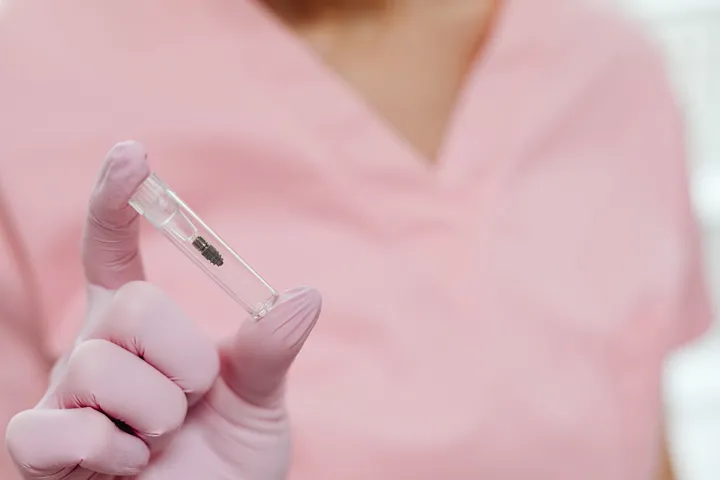
Costs
How Much Does All-on-4 Cost in Turkey?
All-on-4 costs should be compared per arch and on an itemised basis. A headline package price may not show whether the implant fixtures, abutments, temporary bridge, definitive prosthesis, extractions, imaging, grafting and laboratory work are all included.
The total cost depends on the implant manufacturer and model, the number of extractions, the condition of the available bone, the provisional restoration, the material used for the definitive bridge and whether additional surgical or restorative procedures are required.
Taki Dent prepares a preliminary treatment proposal and itemised quote after reviewing available dental records. The final treatment plan and cost can change following the in-person examination and imaging. Taki Dent holds International Health Tourism Authorisation no. ST-6335 for the treatment of international patients; this authorisation is not a clinical accreditation or a guarantee of treatment outcome.
View Current Treatment CostsWhat an Itemised All-on-4 Quote Should Include
- ·One arch or both arches
- ·Implant manufacturer and exact model
- ·Four implant fixtures
- ·Multi-unit abutments
- ·Extractions
- ·CBCT and other imaging
- ·Bone grafting or sinus procedures, if proposed
- ·Immediate provisional bridge
- ·Provisional bridge material
- ·Definitive bridge material
- ·Titanium framework or bar, where applicable
- ·Laboratory fees
- ·Anaesthesia and any separately assessed sedation
- ·Medication
- ·Number and duration of visits
- ·Hotel and transfers, where included
- ·Maintenance and follow-up
- ·Warranty terms and exclusions
Overview
What All-on-4 Involves
All-on-4 is a surgical and prosthetic approach that replaces a full arch of missing teeth with a fixed bridge supported by four implants, rather than one implant per tooth.
In many four-implant full-arch designs, the posterior implants may be intentionally tilted where anatomical limitations or the prosthetic plan make this appropriate. This can improve implant distribution and may reduce the need for grafting in selected cases. Tilted posterior implants can reduce or avoid the need for bone augmentation in some patients, but grafting may still be required where the available bone, implant distribution or definitive prosthetic plan indicates it.
Terminology
What Does “All-on-4” Mean?
All-on-4 is widely used as a general description for a full-arch fixed restoration supported by four implants. The original All-on-4® treatment concept is associated with a specific Nobel Biocare protocol.
Patients should ask which implant manufacturer, implant model, abutment system and prosthetic protocol are included in their individual treatment proposal.
Components
Key Components and Provisional vs Definitive Teeth
In suitable cases, an immediate fixed provisional bridge may be provided. This is not the definitive long-term prosthesis. The definitive bridge is produced after healing, implant integration and reassessment of the bite and soft tissues.
Fixed by the Clinical Team
The bridge is fixed to the implants and is not removed by the patient.
Four Appropriately Distributed Implants
Four implants may support a one-piece full-arch prosthesis where their position, stability and distribution are clinically appropriate.
Posterior Implants May Be Tilted
Tilted placement may be used where supported by the anatomy and prosthetic plan.
Immediate Provisional Option
A temporary fixed restoration may be placed on or shortly after surgery when implant stability and other loading criteria are met.
Definitive Prosthesis After Healing
The definitive bridge is normally produced after integration and clinical reassessment.
Ongoing Maintenance
Daily under-bridge cleaning, professional review and future repairs or replacement should be expected as part of long-term care.
Suitability
Clinical Suitability for All-on-4
All-on-4 is a significant surgical procedure and is not appropriate for everyone. Suitability is determined after a full assessment, including examination and appropriate imaging. Factors considered include:
- Remaining teeth prognosis
- Active periodontal disease
- Plaque control
- Smoking
- Diabetes and healing-related medical factors
- Medications affecting bone or healing
- Implant distribution
- Opposing teeth or prosthesis
- Smile line and lip support
- Space required for the prosthesis
- Ability to clean under the bridge
- Willingness to follow a maintenance programme
Information That Helps With Preliminary Assessment
- Recent panoramic X-ray or CBCT, where available
- Which teeth are missing
- Whether a full or partial denture is currently worn
- Previous implant, graft or sinus treatment
- History of gum disease
- Smoking status
- Relevant medical conditions
- Current medications
- Dental photographs showing the teeth, gums, smile and bite
These records support preliminary review but cannot confirm implant number, extraction decisions, grafting or immediate-loading suitability.
Conservative Care
Preserving Remaining Teeth
Full-arch implant treatment should not be selected simply because a patient prefers a complete replacement. Each remaining tooth should be assessed individually for restorability, periodontal support and long-term prognosis.
Extraction of all remaining teeth is irreversible. Alternative plans may include preserving selected teeth, periodontal treatment, conventional dentures, overdentures or a combination of restorative and implant treatment.
Comparing Options
All-on-4 vs Removable Dentures
Removable dentures do not prevent the continuing ridge changes that occur after tooth loss. Their fit may therefore change over time and adjustment or replacement may be required. A fixed implant-supported restoration may provide greater stability during speaking and eating than a removable complete denture. It is not identical to natural teeth and requires different hygiene and maintenance.
| Factor | All-on-4 | Removable Denture |
|---|---|---|
| Surgery | Required | Normally not required |
| Removed by patient | No | Yes |
| Stability | Fixed to implants | Supported by gum and underlying ridge |
| Hygiene | Special under-bridge cleaning | Removed for cleaning |
| Initial cost | Higher | Lower |
| Repairs | Prosthetic and component maintenance may be required | Relining, repair or replacement may be required |
| Bone and medical assessment | Required | Different clinical requirements |
| Recovery | Surgical healing required | No implant surgical healing |
| Suitability | Not appropriate for everyone | May remain an appropriate option |
Treatment Journey
Treatment Journey and Visit Plan
All-on-4 treatment normally follows several clinical stages: examination and diagnostic records; tooth preparation or extraction where required; implant placement; an immediate provisional restoration where loading criteria are met; a healing and integration period; and production and fitting of the definitive bridge after reassessment.
Implant surgery is normally carried out under local anaesthesia. Where sedation is clinically appropriate and available, it requires a separate medical assessment and consent process.
Many UK patients require a surgical visit followed by a second restorative visit after healing, typically separated by several months. Additional visits may be required where grafting, complications or further adjustments are involved.
Realistic Expectations
Immediate Provisional Teeth: What It Really Means
Immediate loading means that a fixed provisional restoration may be connected to the implants on or shortly after surgery. It does not mean that every patient receives definitive permanent teeth on the day of implant placement.
Immediate loading depends on implant stability, bone condition, implant distribution, the prosthetic design and whether additional procedures such as grafting are required.
Patients may be advised to follow a soft-food protocol during the healing period to limit excessive forces on the implants and provisional bridge.
Treatment Choice
All-on-4 vs All-on-6
All-on-4 and All-on-6 are both fixed full-arch treatment approaches. The difference is not simply that six is always better or four is always more conservative.
The number of implants should be selected according to the available bone, arch anatomy, implant distribution, prosthetic design, cantilever, opposing dentition and the consequences if an implant later develops a complication. A patient should not choose the implant number from a package name alone.
Read the All-on-6 guide →Informed Consent
All-on-4 Risks and Possible Complications
All-on-4 is a surgical and restorative procedure. No implant, implant brand or protocol can guarantee integration, lifelong retention or an absence of complications.
Surgical and Healing Risks
- Pain, swelling, bruising or bleeding
- Infection
- Delayed healing
- Failure of one or more implants to integrate
- Nerve-related symptoms
- Sinus-related complications in the upper jaw
- Bone graft complications where grafting is used
- Gum or soft-tissue problems
- Unsatisfactory lip support, speech or appearance
Biological Complications
- Peri-implant mucositis
- Peri-implantitis
- Progressive bone loss
- Difficulty cleaning under the bridge
- Inflammation associated with plaque accumulation
Mechanical and Prosthetic Complications
- Fracture of the provisional bridge
- Screw loosening
- Screw fracture
- Wear or fracture of acrylic/composite teeth
- Zirconia chipping or fracture
- Loss of screw-access filling
- Need for adjustment, repair or replacement
Planning Ahead
What Happens If One of the Four Implants Fails?
The effect of an implant complication depends on its position, the timing of failure, the remaining implant support, the prosthetic design and the condition of the surrounding bone.
Loss of one implant may mean that the bridge cannot continue to function as originally planned. Treatment may involve removal or modification of the prosthesis, healing, replacement of the implant, placement of an additional implant or production of a new prosthesis.
Patients should ask how implant failure, prosthetic repair, additional visits and travel costs are handled before accepting treatment.
Long-Term Care
Cleaning and Long-Term Maintenance
An All-on-4 restoration is not maintenance-free. The bridge must be cleaned underneath and around the implant connections every day using methods demonstrated by the clinical team.
Professional reviews should assess the gums around the implants, plaque levels, bleeding, bone levels, bridge fit, screws, wear and the patient’s ability to maintain hygiene. The frequency of professional maintenance should be based on individual risk factors such as previous gum disease, smoking, systemic health, plaque control and manual dexterity.
Planning Maintenance After Returning to the UK
Before treatment, confirm who will provide routine reviews and professional hygiene after you return to the UK. An unrelated UK dentist is not automatically responsible for work completed abroad and may not have access to the required implant components. Ask Taki Dent to provide complete treatment records and a clear contact route for clinical or technical problems.
Records You Should Receive
- Treatment summary
- Surgical report
- Implant manufacturer and model
- Implant positions and dimensions
- Implant passport
- Abutment or multi-unit component details
- Batch or lot information where available
- Pre- and postoperative imaging
- Provisional prosthesis information
- Definitive prosthesis material
- Laboratory information
- Warranty documents and exclusions
- Maintenance schedule
- Emergency contact process
Request a Preliminary All-on-4 Assessment
Tell us about your current teeth, missing teeth or dentures and provide recent dental X-rays or a CBCT scan if available. Include relevant information about gum disease, smoking, medical conditions and medication. With your consent, your information will be shared securely with Taki Dent’s clinical team in Antalya for preliminary review.
Request a Free All-on-4 AssessmentNo obligation. Preliminary review cannot confirm extraction decisions, implant number, grafting, immediate loading or the final prosthetic design. An in-person examination and appropriate imaging are required.
All-on-4 Questions
All-on-4 is a commonly used term for a fixed full-arch restoration supported by four dental implants in one arch. A one-piece bridge is attached to the implants where their position, stability and distribution are clinically appropriate. It may be considered for patients missing most or all teeth in an arch, or whose remaining teeth have a poor long-term prognosis. The restoration is fixed and is not removed by the patient, but requires daily under-bridge cleaning.
Suitability depends on the prognosis of any remaining teeth, available bone, gum health, general medical health, smoking status and the prosthetic plan. It may be considered for patients missing most or all teeth in an arch or seeking a fixed alternative to a full denture, but it is not appropriate for everyone and is confirmed only after an in-person examination and appropriate imaging.
A fixed implant-supported restoration may provide greater stability during speaking and eating than a removable complete denture, and is not removed by the patient. It is not identical to natural teeth and requires different hygiene and maintenance, surgical placement, a healing period and a higher upfront cost. Removable dentures remain an appropriate option for some patients.
Most patients should plan for at least two visits — a surgical visit and a return restorative visit after healing — separated by several months. Additional visits may be required where grafting, complications or further adjustments are involved. Immediate loading may allow a fixed provisional restoration sooner in selected cases only.
All-on-4 and All-on-6 are both fixed full-arch treatment approaches. The difference is not simply that six is always better or four is always more conservative. The number of implants should be selected according to the available bone, arch anatomy, implant distribution, prosthetic design, cantilever, opposing dentition and the consequences if an implant later develops a complication. A patient should not choose the implant number from a package name alone.
The effect depends on the position, timing, remaining implant support, prosthetic design and surrounding bone. Loss of one implant may mean the bridge cannot continue to function as planned, and treatment may involve modifying or remaking the prosthesis, healing, replacing the implant or placing an additional one. Ask how implant failure, repairs, additional visits and travel costs are handled before accepting treatment.
No. An immediate fixed restoration is a provisional bridge, not the definitive long-term prosthesis. The definitive bridge is produced after healing, implant integration and reassessment of the bite and soft tissues. Same-day provisional teeth should not be described as permanent teeth.
Ready to Request a Preliminary Assessment?
Tell us what you would like to improve and provide dental photos or X-rays if available. With your consent, your information will be shared securely with Taki Dent’s clinical team in Antalya.
No obligation. A final diagnosis and treatment plan require an in-person clinical examination.