For UK Patients
Veneers in Turkey
Porcelain veneers in Turkey cost from £300 per tooth and composite veneers from £155 per tooth, compared with roughly £600–£1,200 per tooth in the UK. At Taki Dent in Antalya, most veneer cases are completed in a single 5–7 day visit, with a 5 years written guarantee. Prices are indicative starting prices; a final plan and cost are confirmed only after an in-person examination.
Dental veneers are one of the most requested cosmetic treatments among UK patients considering dental treatment in Turkey. This guide explains porcelain and composite veneer options, tooth preparation, suitability, costs, risks and aftercare. You may also request a preliminary clinical assessment from our disclosed clinical partner, Taki Dent in Antalya.
✓ Medically reviewed for clinical accuracy by Dr Firas Balaa, GDC 307557 · Updated July 2026
An online review is preliminary. A final diagnosis, treatment plan and cost can only be confirmed after an in-person clinical examination.
What Are Veneers
Understanding Dental Veneers
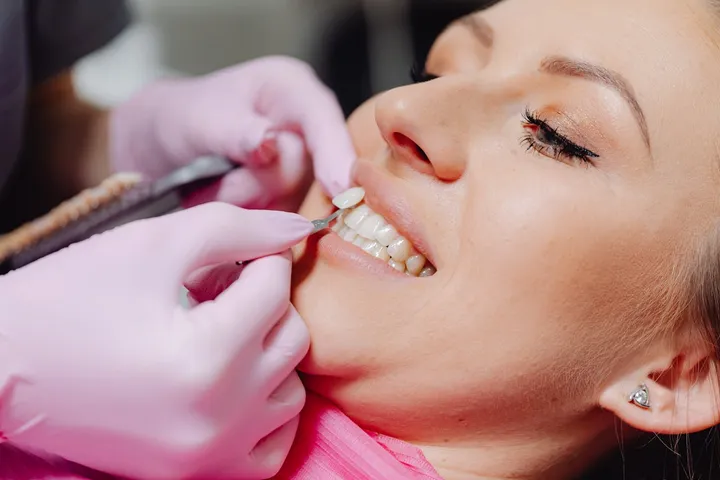
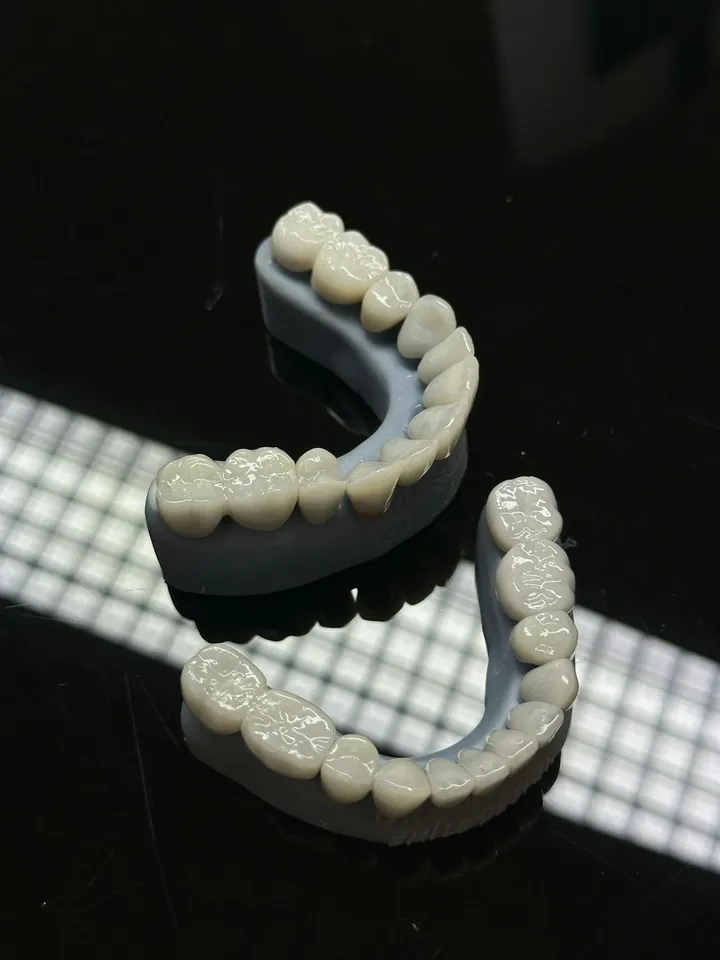
A dental veneer is a thin shell, typically made from porcelain or composite resin, that is bonded to the front-facing surface of a tooth. Veneers are used to change the colour, shape, length or surface appearance of teeth and are among the most common cosmetic dental procedures carried out in Turkey.
Porcelain veneers are fabricated by a dental laboratory to precise dimensions and shade specifications. Where tooth preparation is required, a controlled amount of enamel may be removed so the veneer sits flush and naturally against the surrounding teeth. The amount varies according to tooth position, enamel availability, the selected material and the clinical treatment plan. Once bonded, porcelain veneers are highly resistant to staining and, when cared for correctly, can last many years.
Preparation involving enamel removal is irreversible, so it is an important consideration when weighing up whether veneers are appropriate for you and whether the teeth being treated genuinely require aesthetic improvement. Our disclosed clinical partner, Taki Dent in Antalya, assesses whether veneers may be clinically appropriate before recommending treatment. A final decision can only be made following an in-person examination.
Aesthetics
Colour, Shape and Symmetry
One of the primary reasons patients choose veneers is the degree of control they offer over aesthetic outcomes. Porcelain veneers can be made to a specific shade, from natural tooth-like tones to a brighter, lighter appearance. Shape adjustments — such as lengthening short teeth, squaring off rounded edges, or filling in mild gaps — can also be achieved through the design of the veneer.
Minor symmetry issues, such as one tooth that appears slightly different in shape or shade from its neighbour, can often be corrected with targeted veneer placement rather than treating every tooth. A treatment plan that is specific to your smile will identify which teeth, if any, require adjustment and which do not.
Shade selection is typically discussed during the consultation phase. You will have input into how light or natural you would like the result to appear, informed by your complexion, existing tooth structure and the recommendations of the treating dentist.
Material Comparison
Porcelain vs Composite Veneers
Both porcelain and composite veneers can achieve aesthetic improvements, but they differ in material properties, longevity, cost and the clinical process involved. Understanding the differences can help you ask more informed questions when requesting a quote.
Porcelain Veneers
- ◆ Custom-fabricated in a dental laboratory
- ◆ Highly translucent — closely resembles natural enamel
- ◆ Resistant to staining from coffee, tea and wine
- ◆ Typically require two visits to place
- ◆ Generally longer-lasting with proper care
- ◆ May require irreversible enamel preparation
Composite Veneers
- ◆ Applied directly to the tooth by the dentist
- ◆ Can often be completed in a single visit
- ◆ Generally less expensive than porcelain
- ◆ More prone to staining over time
- ◆ Easier to repair if chipped or damaged
- ◆ May require more frequent maintenance
Clinical Considerations
Suitability and Risks
Not all patients are suitable candidates for veneers, and a responsible dentist will assess your oral health thoroughly before confirming a treatment plan. Key suitability factors include sufficient enamel thickness to support preparation, good gum health, the absence of active decay or infection, and a stable bite.
Patients who grind their teeth (bruxism) need to consider this carefully. Veneers placed without addressing grinding habits are at greater risk of fracture or debonding. A night guard may be recommended as part of long-term aftercare.
The risks associated with veneers include sensitivity after preparation, the irreversibility of enamel removal, and the possibility that a veneer may chip, debond or require replacement in future. Understanding these considerations before proceeding is part of informed consent, and reputable clinicians will discuss them clearly. For an honest prosthodontist's view on when veneers are the right choice and why conservative preparation matters, read our honest guide: are veneers in Turkey safe and worth it?
Cost Factors
What Affects Veneer Costs
The cost of veneers in Turkey is influenced by the number of teeth being treated, the type of material (porcelain or composite), the quality of the dental laboratory, and the clinic. Per-tooth pricing is standard, and the difference between treating four and ten teeth can be substantial.
Composite veneers are generally less expensive than porcelain, but this reflects differences in material durability and the labour involved. A lower per-unit cost does not necessarily represent better value if the longevity or appearance does not meet your expectations.
Submitting dental photographs alongside your assessment request helps Taki Dent’s clinical team understand how many teeth may be involved and prepare a more informed preliminary price estimate. A final treatment plan and cost can only be confirmed after an in-person clinical examination. General guide prices for veneers in Turkey are available on our prices page.
Request a Free Veneers Assessment
Tell us about your smile concerns and provide dental photos or X-rays if available. With your consent, your information will be shared securely with Taki Dent’s clinical team in Antalya for a preliminary review.
No obligation. A final diagnosis and treatment plan require an in-person clinical examination.
Related Treatments
Explore Further
Veneers Questions
This varies from patient to patient and depends entirely on your goals and the current condition of your teeth. Some patients opt for just two to four veneers to address specific concerns, while others have six, eight or more placed across the upper teeth for a more comprehensive aesthetic improvement. There is no fixed number — your dentist will recommend an approach based on your individual smile and what you are hoping to achieve.
No. Clinical suitability depends on several factors including the thickness and health of existing tooth enamel, gum health, bite (occlusion) and the specific cosmetic concern being addressed. Patients with active gum disease, significant tooth decay, or teeth grinding (bruxism) may not be suitable for veneers until underlying issues are treated. A clinical assessment is always required before confirming suitability.
A veneer covers only the front surface of the tooth and requires minimal tooth preparation, with a controlled amount of enamel removed only where needed (the amount varies by case). A crown covers the entire tooth and requires more significant preparation of the tooth structure. Crowns are generally recommended when a tooth is structurally compromised, heavily filled, root canal treated, or requires more substantial restoration. If your teeth are largely intact, veneers may be more conservative than crowns — although whitening, composite bonding, orthodontics, or no treatment at all may be more conservative still, depending on your goals.
In some cases, yes — if the main concern is tooth colour and the enamel responds well to bleaching. Professional whitening is less invasive than veneers and normally does not require any enamel preparation. However, whitening cannot change the shape or size of teeth, does not correct chips or minor misalignment, and cannot whiten existing dental restorations such as old crowns or fillings. A dentist will advise whether whitening alone is likely to achieve your goals or whether veneers may be more appropriate.
Porcelain veneers are custom-made ceramic facings fabricated in a dental laboratory. They are generally more durable, more stain-resistant and more translucent (closely mimicking natural tooth enamel) than composite alternatives. Composite veneers are applied directly to the tooth surface using tooth-coloured resin material, usually in a single visit, and tend to be less expensive. However, composite is more prone to staining and surface wear over time. Both options have their place — the right choice depends on your teeth, your goals and your budget.
Ready to Request a Preliminary Assessment?
Tell us what you would like to improve and provide dental photos or X-rays if available. With your consent, your information will be shared securely with Taki Dent’s clinical team in Antalya.
No obligation. A final diagnosis and treatment plan require an in-person clinical examination.